Victorian Flat Removal Knightsbridge Narrow Stairs Success Story
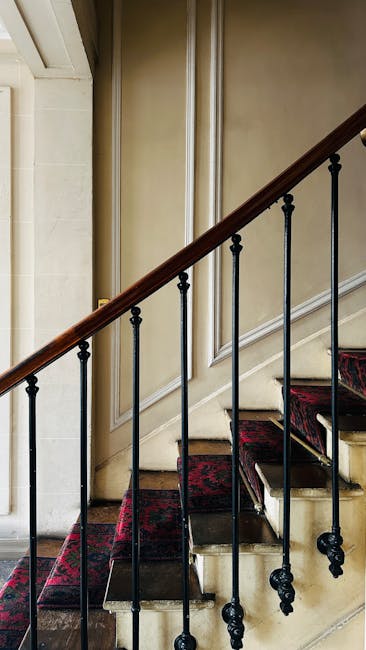
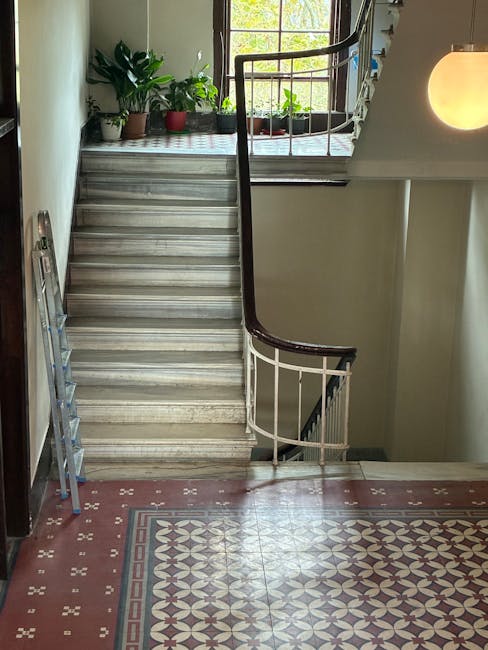
Moving out of a Victorian flat in Knightsbridge sounds elegant right up until you meet the stairs. Tight turns, shallow landings, awkward bannisters, and that lovely old building charm can turn a simple move into a proper puzzle. This article explores a Victorian flat removal Knightsbridge narrow stairs success story in a practical way: what made it work, why these moves are so demanding, and how a careful removal plan can save time, stress, and quite a lot of bruised knuckles.
If you are staring at a hallway that feels more like a staircase from a period drama than a modern moving route, you are in the right place. We will walk through the process, the key decisions, the risks to avoid, and the kind of planning that makes a difficult flat move feel manageable. To be fair, it is rarely glamorous. But it can be done well.
- Why this kind of move matters
- How the move works in practice
- Key benefits and practical advantages
- Who needs this approach and when it makes sense
- Step-by-step guidance
- Expert tips for better results
- Common mistakes to avoid
- Tools, resources and recommendations
- Law, compliance and best practice
- Options and comparison table
- Case study and real-world example
- Practical checklist
- Conclusion
- Frequently asked questions
Why Victorian flat removal Knightsbridge narrow stairs success story Matters
Victorian flats are beautiful, but the layout often works against moving day. In Knightsbridge, many properties have narrow staircases, tight entrances, and old internal features that were never designed for modern sofas, wardrobes, or large white goods. That is why a Victorian flat removal Knightsbridge narrow stairs success story is worth paying attention to: it shows how careful planning can turn a high-risk move into a controlled one.
What matters here is not just lifting things. It is understanding the building. Stair widths, ceiling heights, turns on the landing, and the age of the property all affect the safest route out. A move that looks straightforward on paper can become a real bottleneck when a chest of drawers refuses to clear the corner. Anyone who has tried to pivot a bulky wardrobe around a Victorian turn will know the feeling. It is not subtle.
These moves matter for another reason too: damage control. Narrow stairs increase the chance of scuffs, chipped plaster, broken lamp shades, and strained backs. Good preparation reduces those risks. If you care about keeping the flat, the item, and the people moving it in good shape, then this type of move deserves proper attention.
Expert summary: Victorian flat moves in Knightsbridge succeed when access is measured, furniture is planned item by item, packaging is disciplined, and the loading strategy matches the staircase rather than fighting it.
How Victorian flat removal Knightsbridge narrow stairs success story Works
The process usually starts before anyone touches a box. A proper assessment of access comes first. That means looking at the staircase, the width of the hall, the number of landings, the space at the front door, and any parking or loading restrictions nearby. In a place like Knightsbridge, that advance thinking is not a luxury. It is the whole game.
From there, items are grouped by size and fragility. Large furniture may need to be dismantled. Sofas might need protective wrapping and angled carrying. Mirrors, artwork, and glass items need extra packing so they survive the journey down a narrow stairwell without drama. Truth be told, the staircase often decides the method, not the other way around.
A successful move also depends on timing. When access is tight, the team needs a clear route and fewer interruptions. One person managing the door, another guiding the stair turns, and a third steadying the load can be the difference between a smooth move and a bottleneck. The best results come from calm coordination, not speed for speed's sake.
For many flat moves, support services also make a difference. If packing is unfinished, the whole route slows down. That is why some customers choose packing and boxes support or even packing and unpacking services to reduce handling errors and keep breakables well contained.
Key Benefits and Practical Advantages
A well-managed flat move in a Victorian Knightsbridge building offers more than just getting from A to B. It reduces friction at every stage. You are less likely to lose time on awkward manoeuvres, less likely to damage walls, and less likely to feel like the day is running away from you. That sense of control matters more than people expect.
Here are the practical advantages people usually notice:
- Lower risk of damage: careful route planning protects both furniture and the staircase.
- Fewer delays: when access is checked in advance, the move flows more naturally.
- Better handling of fragile items: packaging and lifting plans are tailored to the building.
- Less physical strain: the right technique protects movers and residents alike.
- Improved confidence: once the tricky parts are mapped out, the whole move feels more achievable.
There is also a psychological benefit, which is easy to underestimate. A narrow-stair move can make people tense before the van even arrives. Knowing that each item has a route, a wrapper, and a person assigned to it changes the mood on the day. It sounds small. It is not small at all.
If the flat is being cleared for sale, refurbishment, or a lease-end handover, this kind of care can help avoid last-minute headaches. It is especially useful for anyone comparing flat removals options and wanting a more deliberate, access-aware approach.
Who This Is For and When It Makes Sense
This approach makes sense for anyone moving from a period flat, especially if the property has steep internal stairs, awkward turns, or a basement-to-upper-floor layout. It is a strong fit for professionals, couples, renters leaving furnished flats, and homeowners moving out of a converted building. Knightsbridge has plenty of properties where elegant design and moving practicality do not exactly shake hands.
It is also useful when you have a mix of large and delicate items. Think dining tables, tall bookcases, antique mirrors, or a piano. Those are the pieces that make people pause and say, "Right, we need a plan." If that sounds familiar, then a methodical removal service is probably the better choice than a rushed all-in approach.
People often choose this route when they need help with:
- narrow staircases and tight landings
- shared entrances in older buildings
- heavy furniture that cannot simply be carried straight out
- short-notice moves with limited loading time
- careful handling of items that matter more than they cost
For smaller moves, a tailored van-based option can sometimes be enough. In other cases, a broader removal services package may be more suitable because it allows for proper planning, packing help, and safer loading discipline.
Step-by-Step Guidance
Here is a practical way to approach a Victorian flat move when the stairs are narrow and the building layout is not forgiving.
- Measure the access first. Check staircase width, turns, ceiling clearance, and any tight corridor sections. Do not guess. Guessing causes trouble later.
- List the difficult items. Anything large, awkward, fragile, or heavy should be identified early. Sofas, wardrobes, mattresses, mirrors, and appliances usually top the list.
- Decide what can be dismantled. Flat-pack items, bed frames, shelving, and some tables are easier to move in pieces. Keep screws and fittings clearly labelled.
- Pack with the staircase in mind. Boxes should be sturdy, sealed, and not overfilled. Heavy items belong in smaller boxes, not giant ones that become unmanageable halfway down the stairs.
- Protect the route. Door frames, corners, and bannisters may need covering before the first item is carried.
- Load in the right order. Usually, the trickier pieces go first so the crew can tackle them while everyone is fresh and the route is still clear.
- Keep a clear point person. Someone should be making decisions, answering access questions, and keeping the process calm. One voice helps. Too many voices, not so much.
- Do a final sweep. Check cupboards, lofts, window ledges, and behind doors. In a Victorian flat, small hidden spaces are easy to miss.
A good move is rarely fast in the frantic sense. It is fast because it is organised. That is the bit people miss.
Expert Tips for Better Results
Here are the details that often make the biggest difference. They are not flashy, but they save the day more often than fancy equipment does.
- Use smaller boxes than you think you need. Narrow stairs punish overpacked boxes. A box that is technically liftable can still be a nightmare on the turn.
- Wrap corners and edges properly. Victorian staircases can have hard plaster edges, and furniture edges often take the hit first.
- Take one awkward item seriously at a time. A single oversized wardrobe can slow the whole move more than ten normal boxes.
- Allow extra time for loading. If the route is tight, the van may be waiting while careful manoeuvring happens upstairs. That is normal.
- Keep a kettle, phone charger, and essentials separate. After two hours of shuffling furniture, nobody wants to go hunting for a mug. Small mercy, really.
If the move involves expensive or unusually shaped pieces, it may be worth checking insurance and safety information in advance so expectations are clear. It is one of those boring topics that suddenly feels very important when a table leg gets bumped.
A final tip: avoid treating the staircase like an afterthought. The stairs are the route. Respect the route, and the move usually respects you back.
Common Mistakes to Avoid
The most common mistake is underestimating access. People look at the flat, see the front room, and assume the rest will follow naturally. Then the sofa reaches the staircase and the whole idea collapses a bit. Not ideal.
Other mistakes show up just as often:
- Not measuring furniture properly. A few centimetres can decide whether an item turns or not.
- Overfilling boxes. This is a classic. Heavy boxes are harder to grip and more likely to shift on stairs.
- Forgetting to protect walls and bannisters. Older properties can mark easily.
- Leaving packing too late. Last-minute packing usually leads to mixed contents and rushed lifting.
- Assuming one person can "just help with the heavy stuff." Heavy stuff is heavy stuff. There is no heroic shortcut here.
Another subtle mistake is not saying what matters most. If there is one item you absolutely cannot have damaged, say so early. Good movers can plan around priorities when they know them. They are not mind readers, thankfully.
Tools, Resources and Recommendations
You do not need a warehouse full of equipment to move well, but a few basic tools help enormously. A professional setup often includes furniture blankets, straps, protective wrap, trolleys where appropriate, and clear labelling supplies. The real value, though, is in how they are used.
For most domestic moves, these are the most useful resources:
- Strong packing materials: to keep contents secure on uneven movement.
- Labels and marker pens: to identify fragile boxes, room destinations, and dismantled fittings.
- Protective covers: useful for mattresses, upholstery, and soft furnishings.
- Spare tape and scissors: always needed five minutes after you think you are done.
- A clear move-day inventory: simple, but incredibly helpful when the staircase is busy.
Where storage is needed between dates, or if access timing means items must leave in stages, storage can be a practical short-term buffer. That can be especially handy if your completion day and handover day do not line up neatly. They often do not, to be fair.
It may also help to review pricing and quotes early so you understand what affects the estimate: access complexity, the number of items, labour time, packing support, and waiting time if the route is challenging.
Law, Compliance, Standards, or Best Practice
For a household move, the most relevant compliance concerns are usually safety, access, insurance, and fair service terms rather than complex regulation. In practical terms, that means the team should use sensible manual handling, protect the property, and make sure the work is carried out in line with the company's stated policies and the usual standards expected in the UK removals industry.
Best practice for this kind of move normally includes:
- risk-aware lifting and carrying
- clear communication before and during the move
- appropriate packing for fragile or valuable items
- respect for building rules, neighbours, and shared spaces
- transparent terms around timing, access, and any extra labour
If you are comparing providers, it is sensible to check the company's public policy pages, including health and safety policy, terms and conditions, and privacy policy. That does not guarantee perfection, of course, but it does tell you a lot about how seriously a company treats process and accountability.
For moves involving old buildings, the practical rule is simple: do not force what should be measured, and do not carry what should be dismantled. That is best practice in plain English.
Options, Methods, or Comparison Table
Not every move needs the same approach. The right method depends on the staircase, the amount of furniture, and how much support you need on the day. Here is a simple comparison that helps with decision-making.
| Move method | Best for | Strengths | Limitations |
|---|---|---|---|
| Self-move | Very small loads and light items | Budget-friendly and flexible | Higher risk on narrow stairs, more physical strain |
| Man and van | Small to medium flat moves with manageable access | Simple, quick, and often cost-effective | May be less suitable for heavy or complex stair cases |
| Full removal service | Busy flats, fragile items, awkward layouts, larger inventories | Better planning, more support, safer handling | Usually more involved and may take longer to arrange |
| Storage-led move | Staged moves or delayed completion dates | Flexibility and breathing room | Requires extra coordination and can add an extra step |
For many Knightsbridge flats, the better option is the one that reduces handling risk rather than the one that looks cheapest upfront. That is the honest answer. Sometimes the cheapest route costs more in stress.
Case Study or Real-World Example
Here is a realistic example of how a Victorian flat removal Knightsbridge narrow stairs success story can play out.
A top-floor Victorian flat had a tight stairwell, a long hallway, and a few key pieces that were not easy to manoeuvre: a wardrobe, a dining table, a sofa, several boxed household items, and a fragile mirror. The building was charming in the way old London buildings often are, which is to say beautiful and slightly inconvenient at the same time.
The move started with measurements and a quick access review. The wardrobe was dismantled before moving day. The mirror was wrapped and boxed carefully. Boxes were sorted by weight so the stair carries stayed manageable. One person guided items at the door, one kept the route clear, and the loading sequence was planned so the heaviest pieces went down while everyone still had energy.
The result was not dramatic, which is exactly the point. No frantic back-and-forth. No forced corner turns. No wall marks that required awkward apologies. The move took steady effort, but it stayed under control from start to finish. That quiet kind of success is often the best kind.
Key lesson: in a narrow-stairs move, success usually comes from preparation rather than force. Measure well, pack lightly, dismantle where sensible, and let the staircase set the pace.
It may sound simple, but the difference between a stressful move and a calm one often comes down to those small choices made before the van arrives.
Practical Checklist
Use this checklist if you are preparing for a Victorian flat move with narrow stairs.
- Measure stair width, landings, and the largest furniture items
- Identify anything fragile, valuable, or unusually shaped
- Decide what needs dismantling before move day
- Pack heavy items into smaller boxes
- Label boxes clearly by room and fragility
- Protect corners, bannisters, and door frames where needed
- Confirm access times and parking or loading arrangements
- Keep essentials, documents, and valuables separate
- Review insurance and safety details if relevant
- Do a final sweep of cupboards, shelves, and hidden storage spaces
If you are moving a mixed household load rather than just a few boxes, a broader service such as home moves may be a better fit than trying to improvise on the day. The right fit matters more than the fancy label.
Get a free quote today and see how much you can save.
Conclusion
A Victorian flat removal Knightsbridge narrow stairs success story is really a story about planning, patience, and matching the move to the building. The staircase is not just a route; it is part of the challenge. Once you accept that, the rest becomes much more manageable.
Whether you are moving a single flat or coordinating a fuller household clearance, the smartest approach is the one that reduces risk, keeps communication clear, and respects the quirks of an older property. In Knightsbridge, that usually means measuring early, packing sensibly, and choosing the right level of help rather than hoping brute force will save the day. It rarely does.
If you take one thing from this guide, let it be this: narrow stairs do not have to mean a difficult move. With the right preparation, they just become another problem you have already solved.
And honestly, that is a very good feeling.
Frequently Asked Questions
What makes a Victorian flat move in Knightsbridge so difficult?
The main challenge is access. Victorian buildings often have narrow stairs, tight turns, and older layouts that were not designed for modern furniture. Add shared entrances or limited parking, and the move becomes more complex very quickly.
How do you move furniture down narrow stairs safely?
Measure the furniture and staircase first, dismantle items where possible, wrap edges, and use a clear carrying plan. It helps to have one person guiding the load and another keeping the route clear. Slow is usually safer than trying to rush it.
Should I dismantle furniture before a flat removal?
Yes, if it makes the item safer or easier to move. Beds, wardrobes, shelving, and some tables often move better in parts. Keep fittings and screws together in labelled bags so reassembly is less of a headache later.
Is a man and van service enough for a narrow-stairs flat move?
Sometimes, yes, especially for smaller loads. But if the flat has awkward access, valuable furniture, or a larger inventory, a fuller removal service may be the safer choice. The decision should be based on access and item type, not just price.
How do I know if my sofa will fit down the stairs?
Measure the sofa's length, height, and depth, then compare that with the staircase width and landing space. The turning point matters as much as the straight run. If in doubt, treat it as a difficult item rather than assuming it will squeeze through.
What should I pack separately for moving day?
Keep essentials, documents, chargers, toiletries, snacks, and any medication separate from the main boxes. It is also sensible to keep valuables and irreplaceable items with you rather than mixing them into the general load.
Do I need insurance for a flat removal?
It is wise to understand what cover is in place before the move. You should know how fragile items are handled, what is covered, and what the limits are. Reading the company's insurance and safety information is a sensible first step.
How far in advance should I book a move like this?
As early as you can, especially if access is difficult or the move needs packing help. Narrow-stairs moves benefit from proper planning, and leaving it late can mean fewer options and more stress on the day.
What are the most common mistakes in Victorian flat removals?
The biggest mistakes are underestimating access, overpacking boxes, leaving dismantling too late, and forgetting to protect the route. People also underestimate how tiring stairs can be when there are several heavy items to move.
Can storage help if my move dates do not line up?
Yes. Storage can bridge a gap between moving out and moving in, especially when completion dates or access timings do not match neatly. It is often a useful option in London moves where timing can be a bit messy.
How do I get a more accurate quote for a tricky flat move?
Give as much detail as possible: building type, stair access, floor level, large items, packing needs, and any timing restrictions. The more accurate the brief, the more accurate the quote is likely to be.
What if I need a same-day move from a flat with narrow stairs?
Same-day moves can work if the inventory is manageable and the access details are clear. But the margin for error is smaller, so it helps to keep the load organised and avoid last-minute surprises. If possible, call early in the day rather than late.