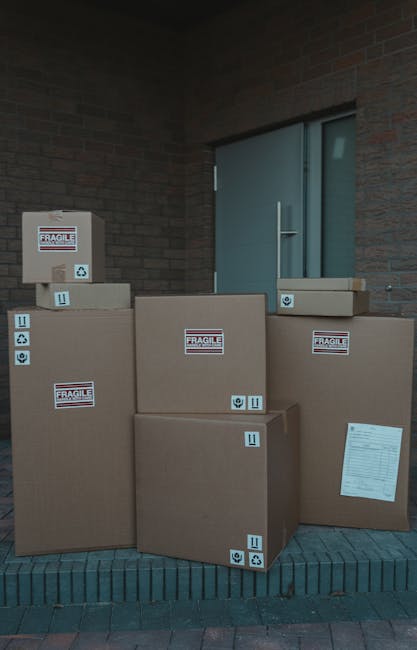
Cheap but safe removals Knightsbridge avoiding common mistakes

If you are planning a move in Knightsbridge, you are probably trying to balance two things that don't always sit comfortably together: keeping costs sensible and making sure nothing gets damaged, delayed, or awkward on the day. That is exactly why cheap but safe removals Knightsbridge avoiding common mistakes matters. A low quote can look brilliant at first glance, but if it leaves out packing help, insurance, access planning, or the right size vehicle, the "cheap" move can turn expensive fast. This guide walks through the practical side of moving well in an area where parking, access, and building rules can make a simple job feel a bit more complicated than it should.
We'll look at what a safe low-cost move actually means, how to spot hidden risks, which mistakes people make most often, and how to keep the whole process calm rather than chaotic. No fluff. Just the sort of advice that helps on a real moving day, when the boxes are stacked by the door and you are wondering whether the coffee machine was packed or left behind. Happens more than you'd think.
Why Cheap but safe removals Knightsbridge avoiding common mistakes Matters
Knightsbridge is not the kind of place where you can always assume there will be easy kerbside loading and a spare parking bay waiting for you. Streets can be busy, access can be tight, and some buildings have their own moving procedures, concierge rules, lift bookings, or time windows. That means the cheapest option is not always the safest, and the safest option is not always the most expensive. The sweet spot is a move that is efficient, properly planned, and realistic about the local conditions.
When people search for cheap removals, they usually mean "good value" rather than "cut every corner possible." That distinction matters. A reliable service should still protect your furniture, handle fragile items carefully, and communicate clearly about timing, vehicle size, and what is included. If those details are vague, the final bill or the final stress level can creep up. To be fair, that is where a lot of moving complaints begin: not with a disaster, but with a misunderstanding that nobody checked in advance.
In a premium London area like Knightsbridge, this is even more important because a small mistake can have a knock-on effect. An underestimated van size can mean two trips. A missing parking plan can mean delay charges. A poorly packed mirror can crack in transit. Suddenly the move that looked "cheap" is not cheap at all.
Expert summary: A safe low-cost move is not about choosing the lowest quote. It is about choosing the quote that correctly reflects your access, volume, fragility, timing, and risk. That is the bit that saves money in the end.
How Cheap but safe removals Knightsbridge avoiding common mistakes Works
A cheap but safe removal service usually works best when the move is broken into sensible stages rather than treated as a quick van-and-go job. First comes the assessment: what needs moving, from where, to where, and under what access conditions. Then comes planning the vehicle, crew size, packing support, and timing. After that, the actual move is executed with the right balance of speed and care.
In practice, the process often looks something like this:
- Initial review: You list the rooms, furniture, boxes, awkward items, and any access issues.
- Quotation: The provider estimates the correct vehicle and labour based on real details, not guesswork.
- Preparation: Packing, labelling, dismantling, and protected wrapping happen before moving day where possible.
- Loading: Items are handled in the right order so heavier furniture does not crush fragile goods.
- Transport: The team takes the most practical route and keeps the load secure.
- Delivery and placement: Goods are unloaded into the correct rooms, with larger items reassembled if agreed.
That sounds straightforward, but the devil is in the details. For example, if you live in a flat and have not confirmed lift access, your moving time may be longer than expected. If you are in a period building, a banister or narrow stairwell can change how furniture must be carried. If you are moving a piano, you are in a completely different category from a standard sofa-and-box move, and you should treat it that way. It sounds obvious, yet these are exactly the things people forget when they are trying to save money.
For a good-value move, clear information is the real cost-saver. The more accurate your briefing, the less likely you are to pay for wasted time, surprise trips, or emergency add-ons. If you want to compare service structures, it can help to review options such as man and van, removal services, or a broader removals arrangement, depending on the scale of your move.
Key Benefits and Practical Advantages
Cheap but safe removals are not just about saving money on the day. When done properly, they reduce stress, protect your belongings, and keep the move timetable under control. That is especially valuable in Knightsbridge, where a short delay can throw off a lift booking or clash with building access rules.
- Lower overall cost: A properly scoped move avoids unnecessary labour and repeat journeys.
- Better protection of belongings: The right wrapping, loading order, and vehicle choice reduce breakages.
- Less disruption: Planning helps you avoid last-minute panic, which, honestly, is half the battle.
- More accurate timing: A realistic quote is easier to stick to than a bargain estimate built on hope.
- Improved local access handling: A good team thinks about parking, entrances, lift use, and stairs before the day arrives.
There is also a psychological benefit people overlook. When you know the move has been thought through properly, you tend to pack better and decide faster. That makes everything easier. You are not second-guessing whether the wardrobe will fit or whether the lamp should go in the "fragile" box. You're just getting on with it.
If you need specialist support, services like packing and boxes and packing and unpacking services can be a smart way to keep things efficient without overspending on the parts you do not need.
Who This Is For and When It Makes Sense
This approach is ideal for people who want control over costs but still care about the condition of their belongings and the smoothness of the move. In other words, most people. But it is particularly useful for:
- flat residents with limited loading space or stairs
- families moving between homes with mixed furniture sizes
- students looking for a simple, low-cost move
- small offices relocating without losing a workday
- people moving on a tight schedule who still want proper handling
- anyone with fragile, bulky, or high-value items that cannot just be thrown in the back of a van
It also makes sense if you are not moving everything in one go. For example, you may want to move the large furniture now and place surplus items into storage until you are ready. In that case, a move that includes storage can be a practical middle ground. It is not glamorous, but it can save a lot of hassle.
Students, in particular, often try to squeeze a move into a very short window between tenancy dates. A tidy, well-priced option such as student removals can be useful when speed, budget, and flexibility all matter at once.
Step-by-Step Guidance
If you want to avoid the most common mistakes, keep the process simple and disciplined. Here is a practical way to do it.
1. List what is actually moving
Write down your big items first: beds, wardrobes, sofas, tables, appliances, and anything awkward like mirrors or artwork. Then add box counts, not just "a few boxes," because a few boxes somehow becomes twenty-five. It always does.
2. Check access before you ask for a quote
Measure doorways, stairwells, and any tight corners. Check whether there is lift access, whether the building needs notice, and whether parking is possible close to the entrance. This is where cheap removals become safe removals. Accuracy saves money.
3. Match the service to the job
If it is a small load, a removal van or man with van style service may be enough. If you have a fuller house load or heavier items, a larger moving truck or structured house removals solution may be more appropriate.
4. Pack with weight and fragility in mind
Heavy items go in small boxes. Light items can fill larger boxes. Fragile items need padding and clear labels. Avoid overfilling. It saves you from crushed books, split tape, and that horrible moment when a box gives way just as it leaves the room.
5. Confirm what is included
Before moving day, confirm whether the team is dismantling furniture, carrying items up stairs, wrapping protectively, or reassembling pieces at the destination. Don't assume. Assumptions are where budgets go to die.
6. Keep essentials separate
Pack a small bag or box with chargers, medications, keys, documents, toiletries, snacks, and a kettle if you are British and emotionally attached to tea. You will thank yourself later.
7. Do a final walk-through
Check cupboards, behind doors, under beds, in loft spaces, and inside drawers. The number of left-behind chargers is, frankly, a national habit.
Expert Tips for Better Results
After enough moving days, a few patterns become very clear. The cheapest move is rarely the one with the lowest quote. It is the one that wastes the least time and avoids preventable damage. That means planning like a pessimist, then executing like a professional.
Tip one: Give the mover honest dimensions, not hopeful ones. If the wardrobe barely fitted into the room, say so. If the sofa is awkwardly heavy, say that too. A slightly larger vehicle is better than an under-sized one.
Tip two: Choose your moving time carefully. In a busy area, mid-morning may be easier than the school-run rush or the post-work squeeze. You do not want your van stuck waiting while everyone else is also trying to move.
Tip three: Protect corners and surfaces. Even when a team is careful, tight hallways and sharp furniture edges can cause scuffs. Basic wrapping and good lifting habits do a lot of work.
Tip four: Use storage strategically. If your completion date and access date do not line up neatly, short-term storage can make the whole move feel calmer and, oddly, cheaper overall because you avoid rushed decisions.
Tip five: For offices, plan around work continuity. If you are handling a small business move, look at office removals or office relocation services rather than trying to improvise on the fly. Computers, cables, and confidential paperwork like to be organised. Funny that.
One small but useful habit: take photos before disassembling anything. It helps with reassembly, and it takes seconds. Small effort, big payoff.
Common Mistakes to Avoid
This is where people lose money. Not all at once, but in little leaks that add up. Avoid these and your move becomes much easier.
- Choosing on price alone: The lowest quote can hide missing labour, poor vehicle sizing, or no allowance for difficult access.
- Underestimating volume: A move that should take one trip becomes two. Double the stress, maybe double the cost.
- Ignoring access issues: Narrow roads, stairs, lift limits, and parking restrictions all affect timing.
- Poor packing: Loose boxes, weak tape, and mixed weights are invitations for damage.
- Not checking insurance: If something goes wrong, you want clarity about what is covered. The detail matters.
- Leaving fragile items unlabelled: It makes handling slower and less careful than it needs to be.
- Forgetting about special items: Pianos, antiques, and oversized furniture should never be treated as ordinary boxes.
- Not reading terms: Cancellation rules, waiting charges, and timing conditions can all affect the final cost.
A common real-world example: someone books a small van because the flat "doesn't have much stuff." Then the day arrives and there are three large wardrobes, a dining table, two mattresses, and a stack of boxes that somehow appeared from nowhere. The mover is not magically at fault. The estimate was simply wrong. That is the kind of problem this article is designed to prevent.
Tools, Resources and Recommendations
You do not need fancy kit to move well, but a few practical items make a huge difference.
- Strong boxes: Use consistent sizes where possible so they stack cleanly.
- Packing tape and labels: Clear labels save time and reduce mix-ups.
- Bubble wrap or paper wrap: Useful for glass, frames, and delicate kitchen items.
- Furniture covers or blankets: Helpful for upholstery, wood surfaces, and door protection.
- Basic tools: A screwdriver or Allen key can save a lot of waiting during dismantling.
- Floor protection: Particularly sensible in communal buildings or freshly cleaned spaces.
If you want extra support rather than extra stress, a well-planned service can include flexible load handling through removal services or a more tailored arrangement such as man and van. The right choice depends on the volume, not the label.
For furniture-only jobs, look at furniture removals or even furniture pick up if you are dealing with a small number of pieces. That can be cleaner, quicker, and a lot less disruptive.
Law, Compliance, Standards, or Best Practice
For a home or office move, the main thing is not to overcomplicate the legal side, but it is worth being sensible. In the UK, removals providers commonly work to standard business practices around insurance, care of goods, secure handling, and clear terms. You should expect transparent pricing, sensible communication, and basic health and safety awareness.
Building management rules are often just as important as formal regulations on the day. Knightsbridge properties may have specific move-in or move-out time slots, lift booking procedures, or instructions about protecting communal areas. If you ignore those, you may run into delays or extra charges. That's not really the mover's problem or the building's problem; it is a planning problem.
From a best-practice point of view, it is wise to check:
- whether insurance arrangements are explained clearly
- what the quote covers and excludes
- how fragile or high-value items should be declared
- whether payment terms are transparent
- how complaints are handled if something does not go to plan
It can also be helpful to review a provider's public policy pages, such as insurance and safety, health and safety policy, terms and conditions, and payment and security. That is not about being fussy. It is about knowing who is doing what, and on what basis.
Options, Methods, or Comparison Table
Different move sizes need different solutions. The table below gives a simple comparison so you can avoid paying for more than you need, while still keeping things safe.
| Option | Best for | Strengths | Watch-outs |
|---|---|---|---|
| Man and van | Small flats, partial loads, light local moves | Flexible, often cost-effective, good for straightforward jobs | Can be too small for bulky furniture or larger family moves |
| Removal van | Medium-sized loads with a bit more structure | Useful middle ground, generally practical for mixed items | May still struggle if access is awkward or volume is underestimated |
| Moving truck | Larger homes, heavy furniture, fuller moves | Better capacity, fewer trips, more efficient for bigger jobs | Can be overkill for a small load and may need more access planning |
| House removals | Full household moves | More comprehensive support, suitable for bigger inventories | Costs more than a simple van if you do not need the extra capacity |
| Storage + removals | Moves with timing gaps or downsizing | Reduces pressure, helps bridge dates, useful for staged moves | Needs clear coordination so items are not delayed or double-handled |
There is no universal "best" option. There is only the best fit for your load, building access, timing, and tolerance for stress. A small flat with a few items may be fine with flat removals, while a larger household may need house removalists for a smoother day.
Case Study or Real-World Example
Imagine a couple moving from a Knightsbridge flat into a nearby house. On paper, it looks simple enough: sofa, bed, dining table, four chairs, boxes, a bicycle, and a couple of lamps. They want to keep costs under control, so they initially ask for the cheapest possible option. The first quote is very low, but it is based on a guess rather than an itemised list.
Then they do the sensible thing and take stock properly. They realise the bed is a large frame that needs dismantling, the dining table is heavier than it looked, and the building has a narrow stairwell plus a lift booking window. That changes the picture. They switch to a more suitable plan with the right vehicle, proper time allowance, and some packing support for the fragile items.
The move ends up being a little more expensive than the first number they saw. But the day runs smoothly, the furniture arrives intact, and nobody is paying for rushed second trips or damaged items. In real life, that is what "cheap but safe" usually means. Not the very lowest number. The best outcome for the money.
And yes, someone still forgot where the kettle went for twenty minutes. That part is basically tradition.
Practical Checklist
Use this before booking and again the day before the move.
- List every room and major item
- Count boxes realistically
- Measure doors, stairs, and tight corners
- Confirm parking and building access
- Check whether lift booking is required
- Ask what the quote includes
- Confirm insurance and handling expectations
- Label fragile boxes clearly
- Pack essentials separately
- Take photos of valuable or delicate items
- Plan for dismantling and reassembly if needed
- Keep keys, documents, and chargers with you
- Review payment terms before the day
- Have a backup plan for delayed access
If the move includes commercial items, it is worth checking commercial moves or office removals early, because business moves usually need tighter timing and clearer coordination than people expect.
Conclusion
Cheap but safe removals in Knightsbridge are absolutely possible, but only if you avoid the common traps: guessing the load, ignoring access, choosing the lowest quote blindly, and leaving packing to the last minute. The safest low-cost move is the one that is properly scoped, honestly priced, and matched to your actual situation. A bit of planning goes a long way, and in a place like Knightsbridge, that planning pays off more than people realise.
Whether you are moving a flat, a family home, a piano, office equipment, or just a handful of carefully chosen belongings, the goal is the same: keep costs sensible without creating avoidable risk. That balance is not tricky once you know what to look for. It just needs a clear head and a few practical checks. Truth be told, that is usually enough.
Get a free quote today and see how much you can save.
Frequently Asked Questions
What does cheap but safe removals actually mean?
It means finding a removal option that keeps your costs reasonable without sacrificing proper handling, planning, or insurance awareness. Cheap should mean good value, not shortcuts.
How do I avoid overpaying for a move in Knightsbridge?
Give accurate details about your items, access, and timing. The more precise your information, the less likely you are to pay for wasted time or a vehicle that is too large or too small.
Is a man and van service safe for furniture?
It can be, provided the load is suitable, the furniture is packed or wrapped properly, and the mover has enough space and equipment. For bulkier or fragile jobs, a larger service may be better.
What are the most common removal mistakes people make?
The biggest mistakes are underestimating volume, failing to check access, packing badly, and booking on price alone. Those four account for a lot of moving-day headaches.
Should I choose the cheapest quote I receive?
Not automatically. Compare what each quote includes, how much detail was requested, and whether the provider seems to understand your access and item list. The cheapest number can be misleading.
Do I need packing help or can I do it myself?
You can absolutely pack yourself if you have time and the right materials. Packing help is useful when you have fragile items, a short deadline, or more belongings than you expected, which happens more often than people admit.
What should I ask before booking removals?
Ask what is included, whether there are waiting charges, what insurance arrangements apply, how bulky or delicate items are handled, and whether the quote assumes easy access.
How far in advance should I book a removal service?
As early as you can, especially for busy periods or if your building has access restrictions. Last-minute bookings can work, but they usually offer less flexibility.
Can storage help reduce moving stress?
Yes. If your move-out and move-in dates do not line up neatly, storage can remove pressure and let you move in stages instead of rushing everything at once.
What if I have a piano or other special item?
Special items should be declared early so the mover can plan the right handling. A piano is not just "another heavy thing"; it needs specific care and space.
Are office moves different from home removals?
Yes, usually. Office moves often need tighter scheduling, equipment handling, and careful organisation of cables, files, and furniture. They can be done efficiently, but they need more structure.
What is the safest way to keep moving costs down?
Plan early, pack well, choose the right vehicle size, and be honest about access and item volume. That combination usually saves more money than chasing the lowest headline quote.